en
en bel
bel de
de fil
fil fin
fin fra
fra hi
hi id
id it
it jp
jp kor
kor nl
nl pl
pl pt
pt swe
swe tr
tr
A BROWNOPTO Engineering Case Study with MedTech Innovations Inc.
고객: MedTech Innovations Inc. — a U.S.-based innovator in point-of-care (POC) diagnostic systems
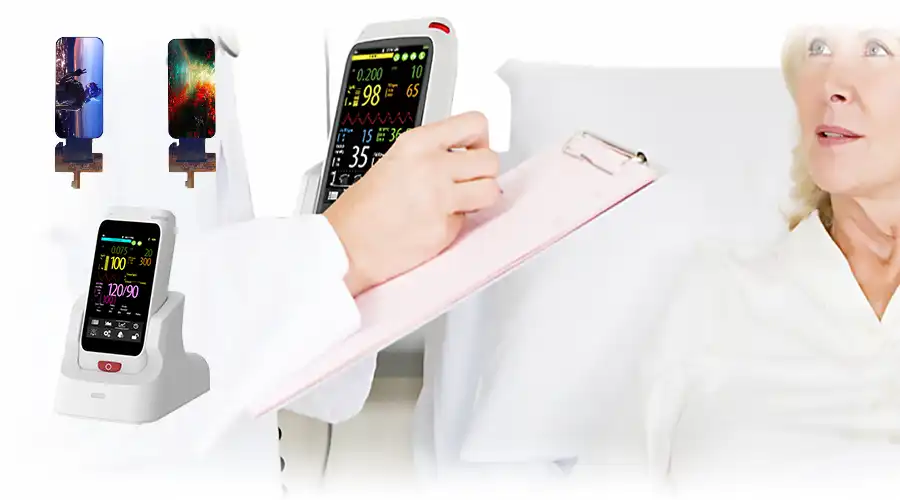
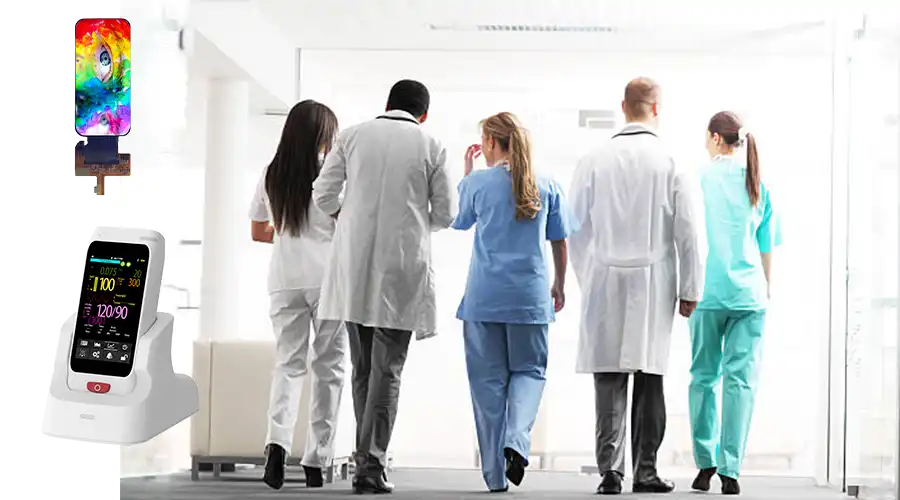
Application: Portable Blood Chemistry Analyzer for Emergency & Rural Healthcare
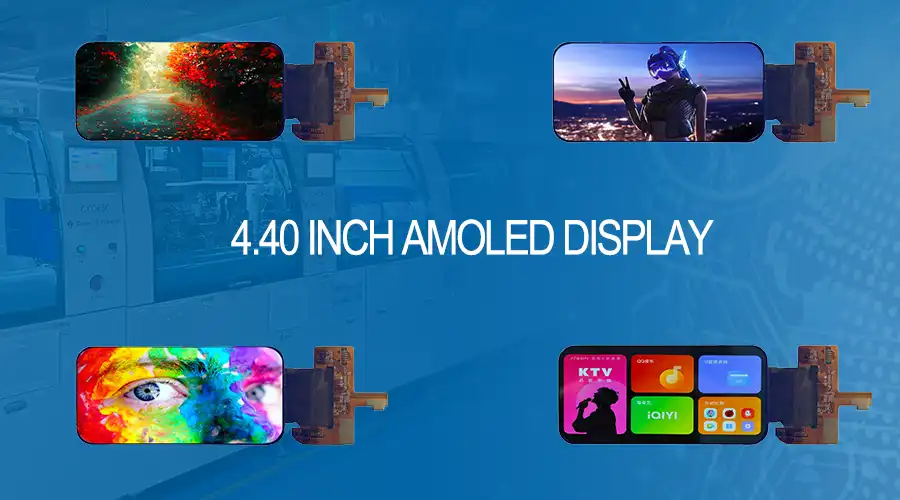
BROWNOPTO Product: Custom 4.40" On-Cell Touch LTPS AMOLED Display Module (Model: BR440102-A1)
인터페이스: MIPI DSI 2-lane, 60Hz refresh rate
Project Background & Technical Challenges
MedTech Innovations sought to replace the legacy LCD in its flagship handheld blood analyzer with a next-generation display that could meet the stringent demands of clinical and field environments. The device is used by paramedics, lab technicians, and rural health workers—often in uncontrolled lighting, temperature, and humidity conditions.
The core display requirements included:
햇빛 가독성:최소 600니트의 밝기와 반사 방지(AR) 처리로 직사광선(≥100,000룩스)에서도 읽기 쉬운 화면을 보장합니다.
환경적 견고성:-20°C ~ +70°C의 주변 온도와 95%의 상대 습도(비응축)에서 안정적으로 작동합니다.
인적 요소:젖은 손가락 거부 기능과 낮은 지연 시간(<20ms)을 갖춘 장갑 호환 정전식 터치입니다.
폼 팩터:모듈 두께 ≤0.8mm로 더욱 얇고 인체공학적인 핸드헬드 섀시를 구현할 수 있습니다.
규정 준수:의료 장비에 대한 RoHS 2.0(2015/863/EU), REACH(SVHC < 0.1%) 및 할로겐 프리(HF) 소재 표준을 완벽하게 준수합니다.
장기적 신뢰성:최소한의 휘도 저하로 50,000시간 이상의 작동 수명을 제공합니다.
기성 AMOLED 패널은 2등급 의료기기에 필요한 기계적 내구성과 광학적 일관성을 충족하지 못했습니다. MedTech는 단순한 공급이 아닌 공동 개발이 가능한 디스플레이 파트너가 필요했습니다.
BROWNOPTO가 공동 설계한 AMOLED 디스플레이 솔루션
BROWNOPTO는 MedTech의 하드웨어 및 펌웨어 팀과 6개월간의 공동 개발 프로그램에 참여했습니다. 이 협력은 광학 설계, 기계 통합, 전기적 검증 및 규제 문서화에 걸쳐 이루어졌습니다.
주요 엔지니어링 이정표는 다음과 같습니다.
광학 스택 최적화:하이브리드 HC(하드코트) + AR 편광판을 통합하여 표면 반사율을 <1.5%로 낮추는 동시에 긁힘 방지 기능(≥3H 연필 경도)을 유지합니다.
셀 내 터치 통합:5mm 장갑 착용 시 손가락 입력을 지원하고 습기나 손바닥 접촉으로 인한 잘못된 트리거를 거부하기 위해 CST3530 터치 컨트롤러 펌웨어를 맞춤 조정했습니다.
열 관리:열 사이클 동안 박리를 방지하기 위해 낮은 열팽창 FPC(Flexible Printed Circuit)를 구현했습니다.
전원 시퀀싱:부팅 시 화면 깜박임을 제거하기 위해 MedTech의 PMIC와 디스플레이 전원 켜기/끄기 타이밍을 공동 설계했습니다.
색상 보정:의료용 UI 요소(예: 경고 아이콘, 추세 그래프)의 정확한 렌더링을 보장하기 위해 공장에서 감마 및 백색점 보정(D65, 2.2 감마)을 수행합니다.
기술 사양
| 매개변수 | 사양 | 검증 표준 |
|---|---|---|
| 디스플레이 유형 | 4.40인치 LTPS AMOLED | — |
| 활성 영역 | 54.3 × 115.8mm | — |
| 해결 | 568 × 1210 픽셀(Full HD+) | 픽셀 밀도: 296 PPI |
| 명도 | 600니트(일반), 800니트(최대) | ISO 13406-2에 따라 측정됨 |
| 대비율 | 100,000:1(일반) | 어두운 환경에서는 무한 |
| 터치 기술 | 셀 내 용량성(CST3530 IC) | 10포인트 멀티터치 지원 |
| 시야각 | ≥85° (모든 방향) | 80°에서 ΔE < 5 |
| 모듈 두께 | 0.75mm(FPC 제외) | — |
| 인터페이스 | MIPI DSI 2레인, 60Hz | MIPI Alliance v1.3 준수 |
| 작동 온도 | -20°C ~ +70°C | IEC 60068-2-1 / -2-2 |
| 보관 온도 | -30°C ~ +80°C | — |
| 규정 준수 | RoHS 2.0, REACH, HF, ISO 10993-5(세포독성 테스트 완료) | 전체 재료 선언이 가능합니다 |
Validation & Field Performance
BR440102-A1 모듈은 BROWNOPTO와 MedTech 시설에서 엄격한 검증을 거쳤습니다.
환경 테스트:240시간 고온/저온 사이클링(-20°C ↔ +70°C)과 96시간 95% RH 습도 노출을 통과했으며 박리나 무라가 발생하지 않았습니다.
기계적 견고성:IEC 60601-1-11에 따라 합판 위로 1.2m 높이에서 3번 떨어뜨렸지만 기능적 고장은 없었습니다.
광학적 일관성:패널 전체에 걸쳐 휘도 균일성이 85% 이상이며, 시야각 변화에 따른 색상 변화(Δu'v')는 0.01 미만입니다.
임상 시험:12개월 동안 미국 응급 의료 서비스(EMS) 기관 12곳에 걸쳐 500개 유닛에 배치되었으며, 디스플레이 관련 현장 고장은 보고된 바가 없습니다.
"BROWNOPTO는 단순히 디스플레이를 제공하는 데 그치지 않고, 저희 NPI(제품 정보 표시) 프로세스에 직접 참여했습니다. BROWNOPTO 엔지니어링 팀은 저희가 수개월 동안 고민했던 터치 노이즈 문제를 해결해 주었고, AMOLED가 FDA의 재료 추적성 관련 문서 요건을 충족하도록 보장했습니다. 이러한 파트너십은 저희 제품 출시에 매우 중요한 역할을 했습니다."
— MedTech Innovations Inc.의 수석 하드웨어 시스템 엔지니어
BROWNOPTO AMOLED 디스플레이가 의료 분야에서 탁월한 이유
BROWNOPTO의 접근 방식은 단순한 부품 공급을 넘어, 미션 크리티컬 애플리케이션을 위한 엔드 투 엔드 디스플레이 엔지니어링을 제공합니다.
애플리케이션 우선 디자인:데이터시트 사양에 국한되지 않고 실제 사용에 맞춰 설계된 디스플레이입니다.
수직적 통합:자체 광학 코팅, 터치 통합 및 신뢰성 테스트.
규제 지원:의료 기기 제출을 위한 전체 재료 규정 준수 문서(RoHS, REACH, HF, ISO 10993)
확장 가능한 NPI:일관된 품질(PPM < 50)로 프로토타입부터 대량 생산까지 가능합니다.
글로벌 지원:신속한 대응을 위해 아시아, 북미, 유럽에 엔지니어링 팀을 배치했습니다.
의료, 산업 또는 방위 장치에 신뢰성 높은 AMOLED 디스플레이를 통합할 준비가 되셨나요?
BROWNOPTO에 문의하세요성능을 위해 설계되고 신뢰성을 위해 제작된 맞춤형 디스플레이 컨설팅을 받아보세요.
자주 묻는 질문
OLED 번인 현상은 무엇 때문에 발생하며, 어떻게 예방할 수 있나요?
번인은 정적인 이미지를 장시간 표시하면 유기물이 고르지 않게 열화되는 현상입니다. 번인 방지를 위해서는 자동 밝기 조절, 화면 시간 초과, 픽셀 이동, 로고 밝기 조절 기능을 사용하고, 정적인 콘텐츠의 밝기를 너무 밝게 하지 않는 것이 좋습니다.
OLED 디스플레이는 야외 또는 고휘도 환경에 적합합니까?
일반 OLED는 제한된 최대 밝기로 인해 직사광선 아래에서는 성능이 떨어집니다. 그러나 일부 모델은 더 높은 니트 출력과 반사 방지 코팅을 갖추고 있습니다. 실외에서 사용하려면 미니 LED 또는 특수 고휘도 OLED를 고려하세요.
OLED 디스플레이는 일반적으로 얼마나 오래 지속되나요?
OLED 수명은 일반적으로 L50(반쪽 밝기)까지 30,000시간에서 100,000시간입니다. 수명은 사용 패턴, 밝기 수준 및 작동 온도에 따라 달라집니다. 파란색 픽셀은 더 빨리 저하되므로 시간이 지남에 따라 화이트 밸런스가 변경될 수 있습니다.
OLED를 상시 디스플레이(AOD)에 사용할 수 있나요?
네, OLED는 어두운 테마나 작은 아이콘을 표시할 때 전력 소모가 적어 AOD에 적합합니다. 번인 위험을 줄이려면 동적 위치 지정, 낮은 밝기, 활성 픽셀 제한 기능을 사용하세요.
AMOLED와 PMOLED의 차이점은 무엇인가요?
AMOLED(Active Matrix OLED)는 TFT 백플레인을 사용하여 빠른 주사율과 높은 해상도를 제공하며, 스마트폰과 웨어러블 기기에 이상적입니다. PMOLED(Passive Matrix OLED)는 행/열을 직접 구동하므로 더 작고 간단하며 비용이 저렴한 디스플레이에 적합합니다.
OLED 디스플레이는 터치 기능을 지원합니까?
네, 대부분의 OLED 모듈은 정전식(PCAP) 또는 저항식 터치 레이어를 내장하고 있습니다. 플렉시블 OLED는 곡면 터치 센서와 결합되어 매끄러운 웨어러블 및 자동차 디자인을 구현하는 경우가 많습니다.
최신 기사
-
2025년 AR/XR의 핵심은 1~2인치 AMOLED
AR/XR 붐에서 1~2인치 AMOLED 디스플레이가 필수가 되는 이유(2025년 산업 통찰력) 본문 {f
-
Understanding OLED Display Technology: Principles, Performance & Applications
OLED (Organic Light Emitting Diode) displays are a class of self-emissive display technology in whic
-
From Wearables to AR Glasses – How OLED Displays Are Redefining Visual Experiences in 2025
By 2025, OLED (Organic Light-Emitting Diode) technology has transitioned from luxury smartphone disp
-
Stretched Bar LCD Displays for Retail: Boost Sales & Engagement in Supermarkets
스트레치 바 LCD 디스플레이가 슈퍼마켓 선반 가장자리 마케팅을 향상시키고 매출을 늘리고 비용을 절감하는 방법을 알아보세요.
-
레스토랑 및 호스피탈리티 장소를 위한 스트레치 LCD 솔루션
스트레치 LCD는 레스토랑 메뉴와 호스피탈리티 서비스에 적합한 세련되고 고휘도 디스플레이를 제공합니다.