en
en bel
bel de
de fil
fil fin
fin fra
fra hi
hi id
id it
it jp
jp kor
kor nl
nl pl
pl pt
pt swe
swe tr
tr
A BROWNOPTO Engineering Case Study with MedTech Innovations Inc.
Кліент: MedTech Innovations Inc. — a U.S.-based innovator in point-of-care (POC) diagnostic systems
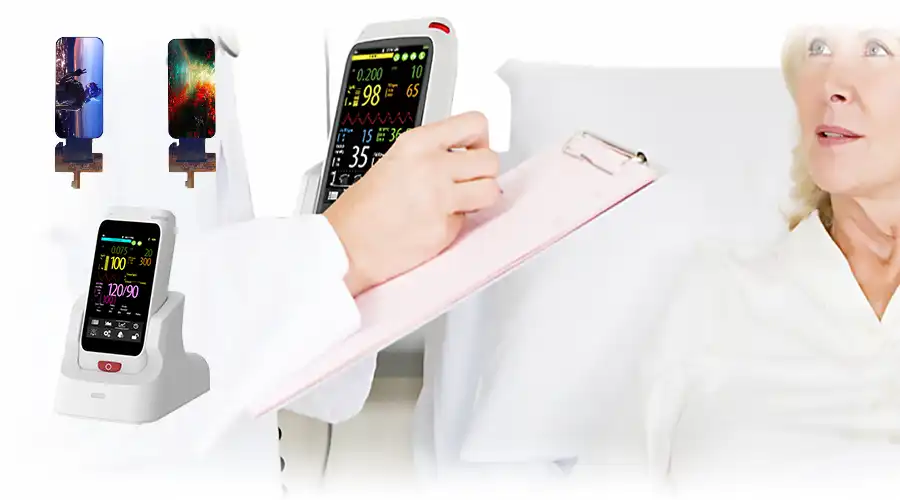
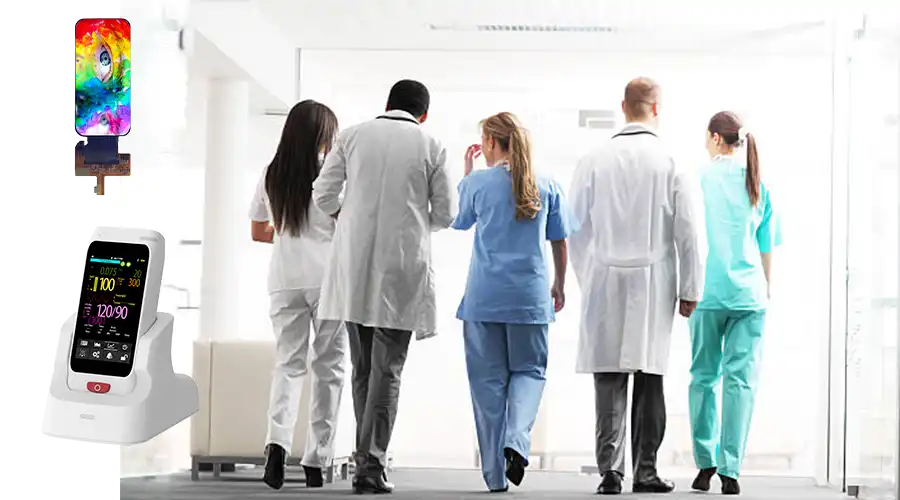
Application: Portable Blood Chemistry Analyzer for Emergency & Rural Healthcare
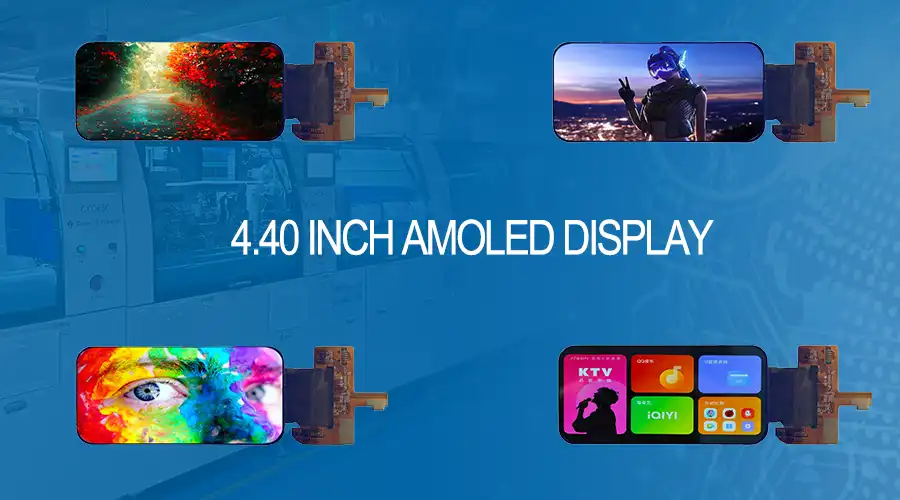
BROWNOPTO Product: Custom 4.40" On-Cell Touch LTPS AMOLED Display Module (Model: BR440102-A1)
Інтэрфейс:2-палосны MIPI DSI, частата абнаўлення 60 Гц
Project Background & Technical Challenges
Кампанія MedTech Innovations імкнулася замяніць састарэлы ВК-дысплей у сваім флагманскім партатыўным аналізатары крыві дысплеем наступнага пакалення, які мог бы адпавядаць строгім патрабаванням клінічных і палявых умоў. Прылада выкарыстоўваецца фельчарамі, лабарантамі і медыцынскімі работнікамі ў сельскай мясцовасці, часта ў умовах некантраляванага асвятлення, тэмпературы і вільготнасці.
Асноўныя патрабаванні да дысплея ўключалі:
Чытальнасць пры сонечным святле:Мінімальная яркасць 600 ніт з антыблікавым (AR) пакрыццём для забеспячэння чытальнасці пад прамымі сонечнымі прамянямі (≥100 000 люкс).
Экалагічная ўстойлівасць:Стабільная праца пры тэмпературы навакольнага асяроддзя ад -20°C да +70°C і адноснай вільготнасці 95% (без кандэнсацыі).
Чалавечы фактар:Ёмістны сэнсарны інтэрфейс, сумяшчальны з пальчаткамі, з адхіленнем мокрых пальцаў і нізкай затрымкай (<20 мс).
Форм-фактар:Таўшчыня модуля ≤0,8 мм дазваляе стварыць больш тонкае і эрганамічнае партатыўнае шасі.
Адпаведнасць патрабаванням:Поўнае выкананне патрабаванняў RoHS 2.0 (2015/863/EU), REACH (SVHC < 0,1%) і стандартаў па матэрыялах без галагенаў (HF) для медыцынскага абсталявання.
Доўгатэрміновая надзейнасць:Больш за 50 000 гадзін эксплуатацыйнага тэрміну пры мінімальным зніжэнні яркасці.
Стандартныя AMOLED-панэлі не адпавядалі патрабаванням да механічнай трываласці і аптычнай стабільнасці, неабходным для медыцынскіх прылад класа II. Медтэхналогіі патрэбен быў партнёр па дысплеях, здольны не толькі пастаўляць, але і займацца сумеснай распрацоўкай.
Сумесна распрацаванае рашэнне для AMOLED-дысплея ад BROWNOPTO
BROWNOPTO сумесна з камандамі MedTech па распрацоўцы абсталявання і прашыўкі рэалізоўвала 6-месячную праграму распрацоўкі. Супрацоўніцтва ахоплівала аптычнае праектаванне, механічную інтэграцыю, электрычную праверку і распрацоўку рэгулятыўнай дакументацыі.
Ключавыя этапы інжынернай справы ўключалі:
Аптымізацыя аптычнага стэка:Інтэграцыя гібрыднага палярызатара HC (цвёрдае пакрыццё) + AR для зніжэння каэфіцыента адлюстравання паверхні да <1,5% пры захаванні ўстойлівасці да драпін (цвёрдасць алоўка ≥3H).
Інтэграцыя сэнсарнага кіравання ў мабільным тэлефоне:Карыстальніцкая налада прашыўкі сэнсарнага кантролера CST3530 для падтрымкі ўводу пальцам на адлегласці 5 мм у пальчатцы і адхілення ілжывых спрацоўванняў ад вільгаці або дотыку далоні.
Тэрмаўпарадкаванне:Укараненне гнуткай друкаванай схемы (FPC) з нізкім цеплавым пашырэннем для прадухілення распластоўвання падчас тэрмічнага цыклавання.
Паслядоўнасць харчавання:Сумеснае праектаванне часу ўключэння/выключэння дысплея з PMIC MedTech для ліквідацыі мігацення экрана падчас загрузкі.
Каліброўка колеру:Заводская каліброўка гамы і белай кропкі (D65, гама 2.2) для забеспячэння дакладнага адлюстравання элементаў медыцынскага інтэрфейсу (напрыклад, значкоў папярэджанняў, графікаў тэндэнцый).
Тэхнічныя характарыстыкі
| Параметр | Спецыфікацыя | Стандарт праверкі |
|---|---|---|
| Тып дысплея | 4,40-цалевы LTPS AMOLED | — |
| Актыўная вобласць | 54,3 × 115,8 мм | — |
| Разрозненне | 568 × 1210 пікселяў (Full HD+) | Шчыльнасць пікселяў: 296 PPI |
| Яркасць | 600 ніт (тыповая), 800 ніт (пікавая) | Вымерана ў адпаведнасці з ISO 13406-2 |
| Каэфіцыент кантраснасці | 100 000:1 (тыпова) | Бясконцасць у цёмных умовах |
| Сэнсарная тэхналогія | Ёмістны на элементе (CST3530 IC) | Падтрымлівае 10-кропкавы мультытач |
| Кут агляду | ≥85° (усе напрамкі) | ΔE < 5 пры 80° |
| Таўшчыня модуля | 0,75 мм (без уліку FPC) | — |
| Інтэрфейс | MIPI DSI 2-палосны, 60 Гц | Сумяшчальны з MIPI Alliance v1.3 |
| Рабочая тэмпература | ад -20°C да +70°C | МЭК 60068-2-1 / -2-2 |
| Тэмпература захоўвання | ад -30°C да +80°C | — |
| Адпаведнасць | RoHS 2.0, REACH, HF, ISO 10993-5 (праверана на цытатаксічнасць) | Даступная поўная дэкларацыя матэрыялаў |
Validation & Field Performance
Модуль BR440102-A1 прайшоў строгую праверку на аб'ектах BROWNOPTO і MedTech:
Экалагічныя выпрабаванні:Вытрымаў 240-гадзіннае цыклічнае ўздзеянне высокіх/нізкіх тэмператур (-20°C ↔ +70°C) і 96-гадзіннае ўздзеянне пры адноснай вільготнасці 95% без расслаення або муры.
Механічная трываласць:Вытрымаў 3 падзенні з вышыні 1,2 м на фанеру (паводле IEC 60601-1-11) без функцыянальных пашкоджанняў.
Аптычная кансістэнцыя:Аднастайнасць яркасці >85% па ўсёй панэлі; зрух колеру (Δu'v') <0,01 пры змене вугла агляду.
Клінічны пілот:Разгорнута ў 500 адзінках у 12 агенцтвах экстранай медыцынскай дапамогі ЗША (EMS) на працягу 12 месяцаў — ніводнага паведамлення аб палявых збоях, звязаных з дысплеем, не зарэгістравана.
«BROWNOPTO не проста паставілі дысплей — яны ўліліся ў наш працэс NPI. Іх каманда інжынераў вырашыла праблемы з шумам пры дотыку, з якімі мы змагаліся месяцамі, і гарантавала, што AMOLED-дысплей адпавядае патрабаванням FDA да дакументацыі па адсочванні матэрыялаў. Гэта партнёрства адыграла важную ролю ў запуску нашага прадукту».
— Вядучы інжынер па апаратных сістэмах, MedTech Innovations Inc.
Чаму дысплеі BROWNOPTO AMOLED выдатна падыходзяць для медыцынскага прымянення
Падыход BROWNOPTO выходзіць за рамкі пастаўкі кампанентаў. Мы прапануем комплекснае праектаванне дысплеяў для крытычна важных прыкладанняў:
Дызайн, арыентаваны на прымяненне:Дысплеі, распрацаваныя для рэальнага выкарыстання, а не толькі для апісання характарыстык.
Вертыкальная інтэграцыя:Уласнае аптычнае пакрыццё, інтэграцыя сэнсарных экранаў і выпрабаванні надзейнасці.
Рэгулятарная падтрымка:Поўная дакументацыя аб адпаведнасці матэрыялаў (RoHS, REACH, HF, ISO 10993) для прадстаўлення медыцынскіх вырабаў.
Маштабуемы NPI:Ад прататыпа да масавай вытворчасці з нязменнай якасцю (PPM < 50).
Глабальная падтрымка:Інжынерныя каманды ў Азіі, Паўночнай Амерыцы і Еўропе для хуткага рэагавання.
Гатовыя інтэграваць высоканадзейны AMOLED-дысплей у сваю медыцынскую, прамысловую або абаронную прыладу?
Звязацца з BROWNOPTOдля кансультацыі па індывідуальным дысплеі — распрацаваны для прадукцыйнасці, пабудаваны для надзейнасці.
FAQ
Што выклікае выгаранне OLED-дысплеяў і як гэта можна прадухіліць?
Выгаранне адбываецца, калі арганічныя матэрыялы нераўнамерна раскладаюцца з-за працяглага адлюстравання статычных малюнкаў. Прафілактыка ўключае выкарыстанне аўтаматычнага зацямнення, тайм-аўту экрана, зрушэнне пікселяў, зацямненне лагатыпа і пазбяганне высокай яркасці для статычнага кантэнту.
Ці падыходзяць OLED-дысплеі для выкарыстання на вуліцы або ў памяшканнях з высокай яркасцю?
Стандартныя OLED-дысплеі дрэнна спраўляюцца з прамымі сонечнымі прамянямі з-за абмежаванай пікавай яркасці. Аднак некаторыя мадэлі маюць больш высокую яркасць і антыблікавае пакрыццё. Для выкарыстання на вуліцы варта разгледзець Mini-LED або спецыялізаваныя варыянты OLED з высокай яркасцю.
Як доўга звычайна служаць OLED-дысплеі?
Тэрмін службы OLED-дысплеяў звычайна складае ад 30 000 да 100 000 гадзін пры L50 (палова яркасці). Тэрмін службы залежыць ад рэжымаў выкарыстання, узроўню яркасці і працоўнай тэмпературы. Сінія пікселі хутчэй дэградуюць, таму баланс белага можа з часам змяняцца.
Ці можна выкарыстоўваць OLED-дысплеі для дысплеяў, якія заўсёды ўключаны (AOD)?
Так — OLED-дысплеі ідэальна падыходзяць для AOD з-за нізкага спажывання энергіі пры адлюстраванні цёмных тэм або дробных значкоў. Каб паменшыць рызыку выпальвання, выкарыстоўвайце дынамічнае пазіцыянаванне, нізкую яркасць і абмяжоўвайце колькасць актыўных пікселяў.
У чым розніца паміж AMOLED і PMOLED?
AMOLED (актыўны матрычны OLED) выкарыстоўвае TFT-панэль для хуткага абнаўлення і вялікага дазволу, што ідэальна падыходзіць для смартфонаў і носных прылад. PMOLED (пасіўны матрычны OLED) непасрэдна кіруе радкамі/слупкамі, што падыходзіць для меншых, простых дысплеяў з меншай коштам.
Ці падтрымліваюць OLED-дысплеі сэнсарны інтэрфейс?
Так, большасць OLED-модуляў маюць ёмістныя (PCAP) або рэзістыўныя сэнсарныя пласты. Гнуткія OLED-дысплеі часта спалучаюцца з выгнутымі сэнсарнымі датчыкамі для стварэння бясшвовых дызайнаў для носных прылад і аўтамабіляў.
Latest articles
-
Чаму 1–2-цалевыя AMOLED-дысплеі з'яўляюцца ключавымі для AR/XR у 2025 годзе
Чаму 1-2-цалевыя AMOLED-дысплеі становяцца неабходнымі ў буме AR/XR (2025 Industry Insight)body {f
-
Understanding OLED Display Technology: Principles, Performance & Applications
OLED (Organic Light Emitting Diode) displays are a class of self-emissive display technology in whic
-
From Wearables to AR Glasses – How OLED Displays Are Redefining Visual Experiences in 2025
By 2025, OLED (Organic Light-Emitting Diode) technology has transitioned from luxury smartphone disp
-
Расцягнутыя ВК-дысплеі для рознічнага гандлю: павелічэнне продажаў і ўзаемадзеяння ў супермаркетах
Даведайцеся, як расцягнутыя ВК-дысплеі паляпшаюць маркетынг на паліцах супермаркетаў, павялічваюць продажы, скарачаюць
-
Расцягнутыя ВК-рашэнні для рэстаранаў і гасцінічных устаноў
Расцягнутыя ВК-дысплеі прапануюць элегантныя дысплеі высокай яркасці, ідэальна падыходзяць для меню рэстаранаў і гасцінічных устаноў.