en
en bel
bel de
de fil
fil fin
fin fra
fra hi
hi id
id it
it jp
jp kor
kor nl
nl pl
pl pt
pt swe
swe tr
tr
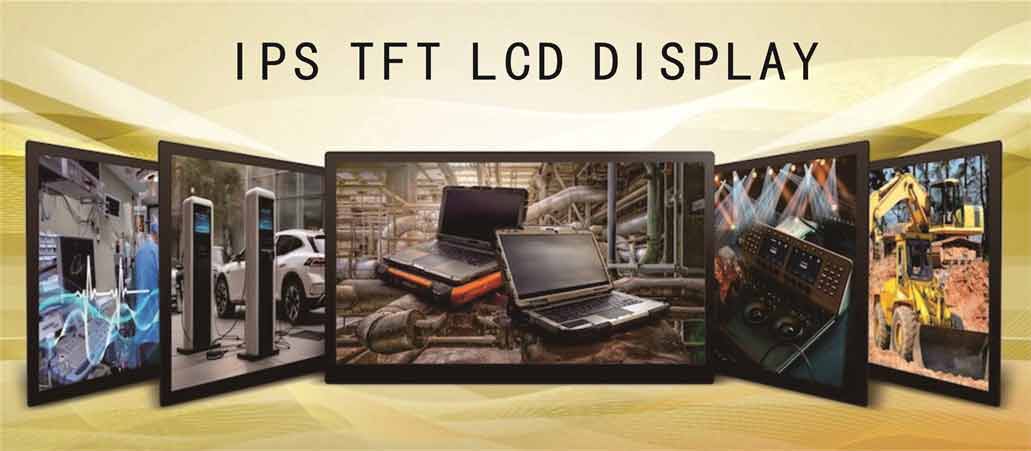
As display technology continues to advance, IPS LCD display technology has become a popular choice in the market. How does this innovative technology affect our visual experience? Let’s explore together.
What is IPS LCD Display Technology?
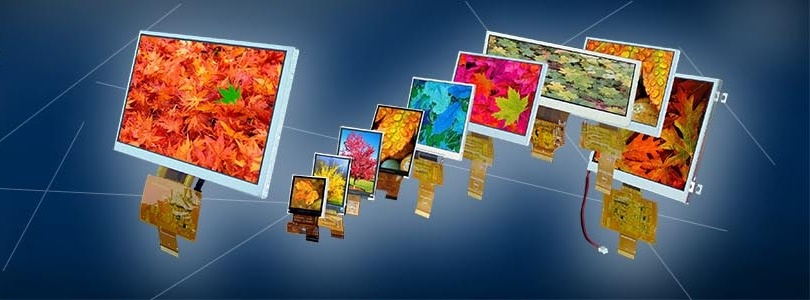
IPS (In-Plane Switching) LCD display technology has been favored since the 1990s for its superior display performance. By improving the arrangement of liquid crystal molecules, it achieves a wider viewing angle and more accurate color representation.
Core Advantages of IPS Technology
Wide Viewing Angle: Maintains clear image quality from any angle.
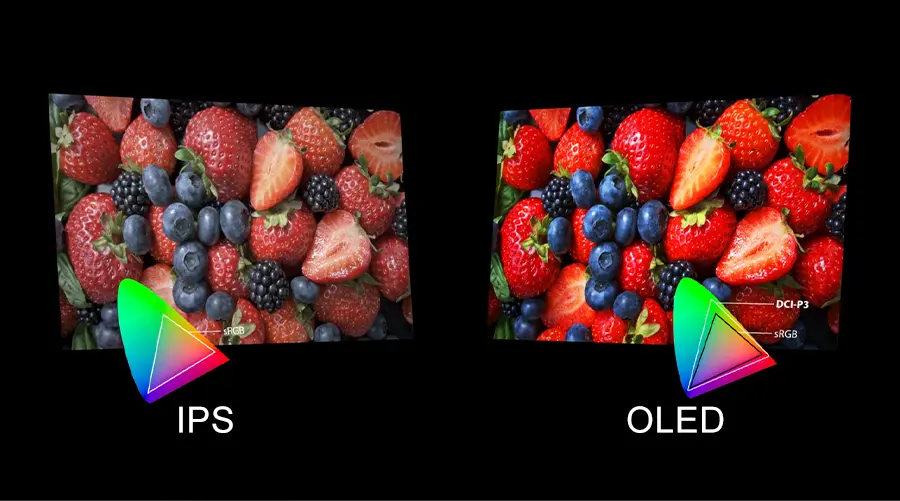
Color Accuracy: Ensures the true reproduction of colors without any color shift.
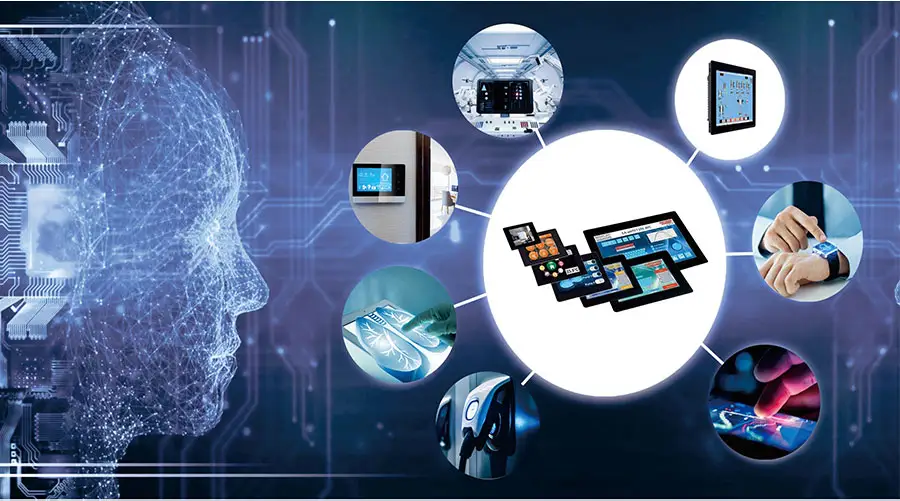
Advantages and Applications of IPS LCD Display Technology
Ultra-Wide Angle IPS Panel Technology
Multi-Angle Visual Experience: Provides consistent viewing effects, suitable for various environments.
Color Fidelity
Color Fidelity: Preserves the original texture of colors, applicable in professional fields.
Industry Cases: Application Instances of IPS LCD Display Technology
Professional Photography and Image Processing
Photography and Editing: Photographers and image editors rely on the precise colors of IPS LCD for their work.
Medical Diagnostic Equipment
Medical Imaging: The application of IPS LCD screens in medical imaging equipment enhances the accuracy of diagnoses.
Retail and Advertising
Digital Signage: In the retail and advertising industries, IPS LCD screens attract customers with their high definition and vibrant colors, enhancing brand influence.
Education and Training
Educational Technology: IPS LCD screens are used in classrooms and conference rooms to provide clear and detailed visual aids, enhancing the learning and training experience.
Latest articles
-
Can TFT displays operate in extreme temperatures?
Yes, TFT displays can operate in a wide range of temperatures, typically from -20°C to 70°C, with so
-
Are TFT displays resistant to dust and water?
TFT displays themselves are not inherently resistant to dust and water. However, they can be housed
-
What is the typical contrast ratio for a TFT display?
The typical contrast ratio for a TFT display ranges from 500:1 to 1000:1, offering good visibility i
-
What is the typical viewing angle for a TFT display?
The typical viewing angle for a TFT display is around 160° horizontally and 160° vertically, providi
-
What is the refresh rate of a TFT display and why is it important?
The refresh rate of a TFT display is typically 60Hz. A higher refresh rate can reduce motion blur an