en
en bel
bel de
de fil
fil fin
fin fra
fra hi
hi id
id it
it jp
jp kor
kor nl
nl pl
pl pt
pt swe
swe tr
tr
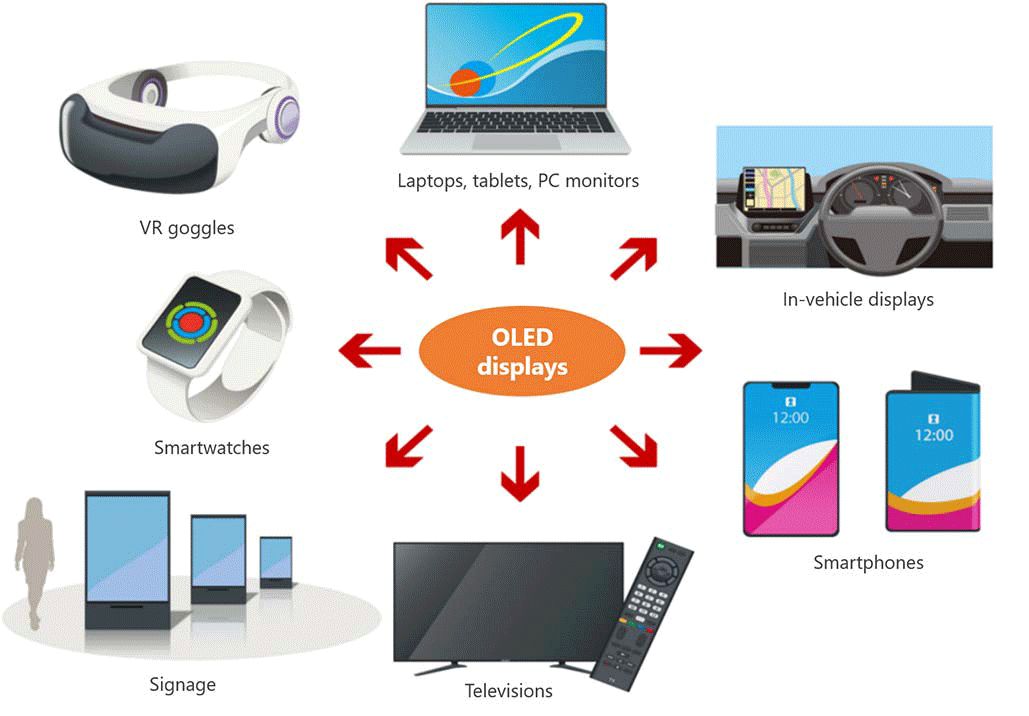
By 2025, OLED (Organic Light-Emitting Diode) technology has transitioned from luxury smartphone displays to the foundation of a new visual era. No longer confined to flat rectangles, OLED now powers wearables, medical patches, automotive dashboards, and immersive AR interfaces. Its self-emissive pixels — producing light individually — enable ultra-thin, flexible, and energy-efficient displays that shape how humans perceive digital information.
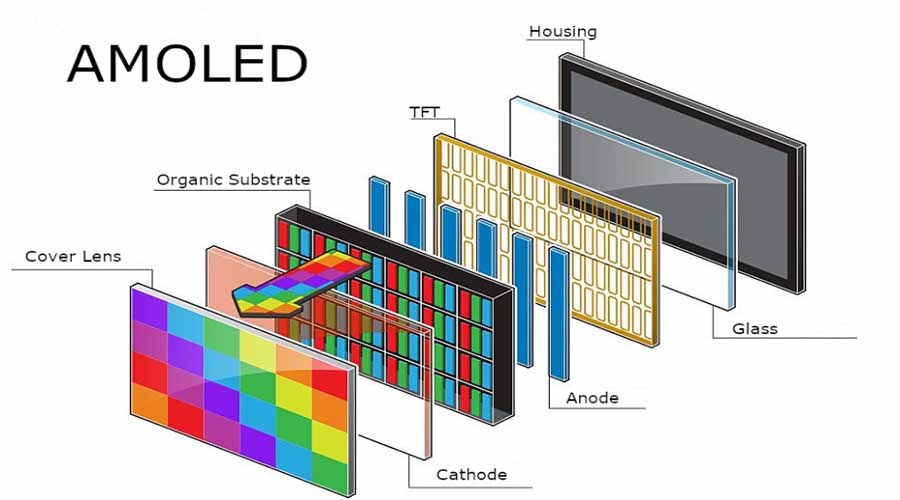
1. The Evolution of OLED
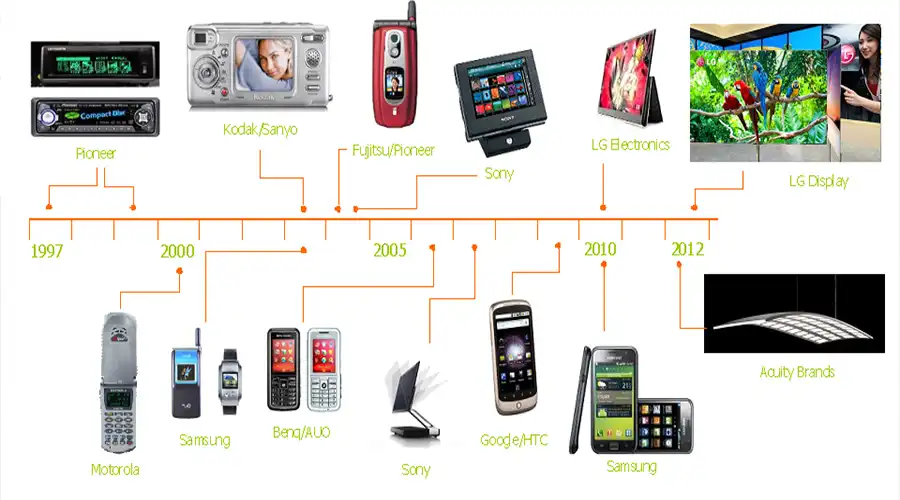
Once a niche research subject, OLED matured through the 2010s as display giants refined materials, deposition processes, and drive electronics. The early 2020s witnessed commercialization beyond mobile devices — foldables, automotive glass panels, and transparent signage. By 2025, OLED had split into multiple specialized branches: traditional AMOLED for mobile, microOLED (OLEDoS) for AR, and hybrid printed OLED for large, sustainable fabrication.
Unlike LCDs, OLED emits its own light per pixel, eliminating backlights. This reduces thickness, improves contrast (true blacks), and allows for flexible or transparent substrates. Modern OLEDs incorporate LTPO backplanes, advanced encapsulation, and AI-based compensation to mitigate burn-in. Combined, these qualities make OLED the most human-centric display medium ever created.
2. OLED in Wearables
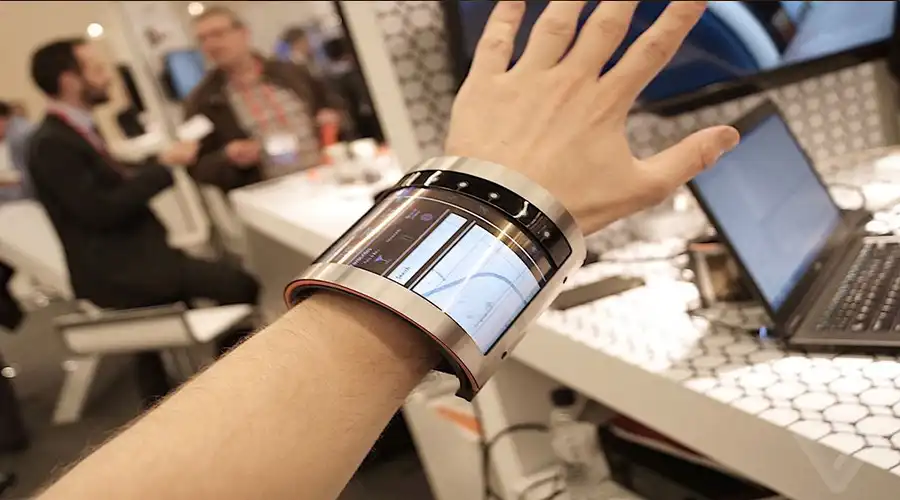
Smartwatches and fitness trackers were the earliest mass-market validation for OLED. The curved, vivid, low-power displays enabled ergonomically sound devices with superb readability in outdoor settings. The flexibility and color precision of OLED perfectly fit wrist-mounted or textile-integrated use cases.
By 2025, wearable OLEDs have advanced to micro-thin modules embedded into medical sensors and skin patches. Real-time glucose, hydration, or oxygen monitoring now occurs on surfaces that breathe and flex. These displays can even remain partially transparent—showing vital data on the skin without blocking natural tone.
“OLED wearables exemplify where technology meets biology — responsive, adaptive, and almost invisible.” – Dr. Aiko Sato, Biotech Lab Tokyo
3. The Leap to AR Glasses
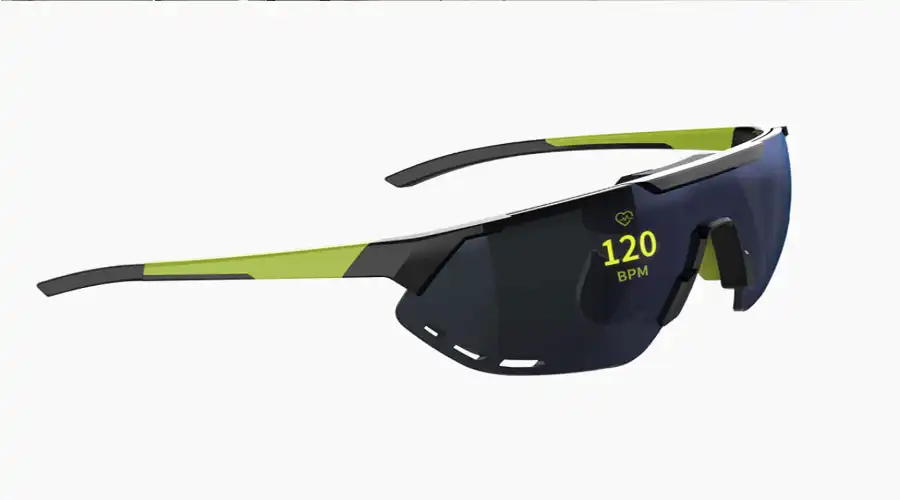
The 2025 AR revolution owes its realism to OLED-on-silicon (OLEDoS) technology — microdisplays with pixel densities exceeding 4000 PPI. These panels fit inside lenses mere millimeters thick, projecting crisp overlays across the user’s natural field of view. Unlike laser or LCD-based HUDs, OLED’s instantaneous contrast and deep black blending let virtual elements coexist believably with real-world objects.
The consumer market now enjoys lightweight AR eyewear capable of persistent data overlays — navigation arrows on roads, live captions in conversations, or contextual translation in travel. OLED’s self-luminous structure ensures privacy, rendering images visible only to the wearer’s pupils. Industries from surgery to engineering use similar optics for precision overlays and low-latency collaboration.
4. Transparency and Flexibility
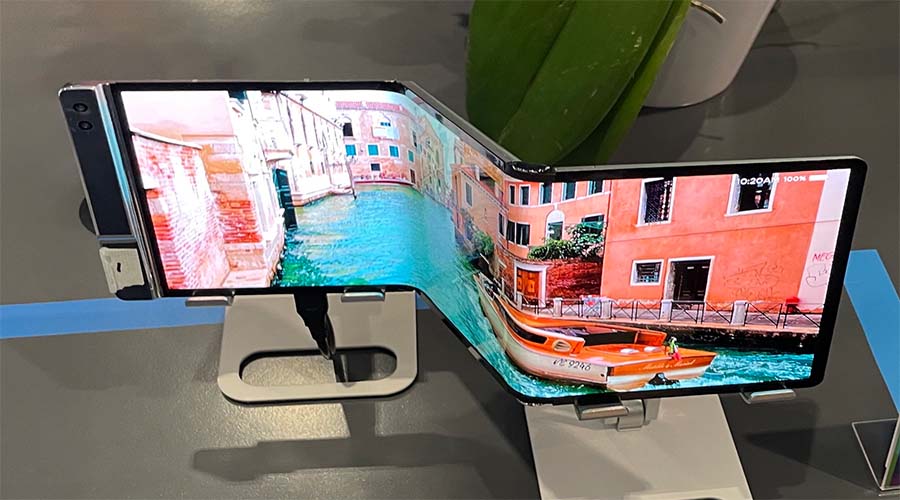
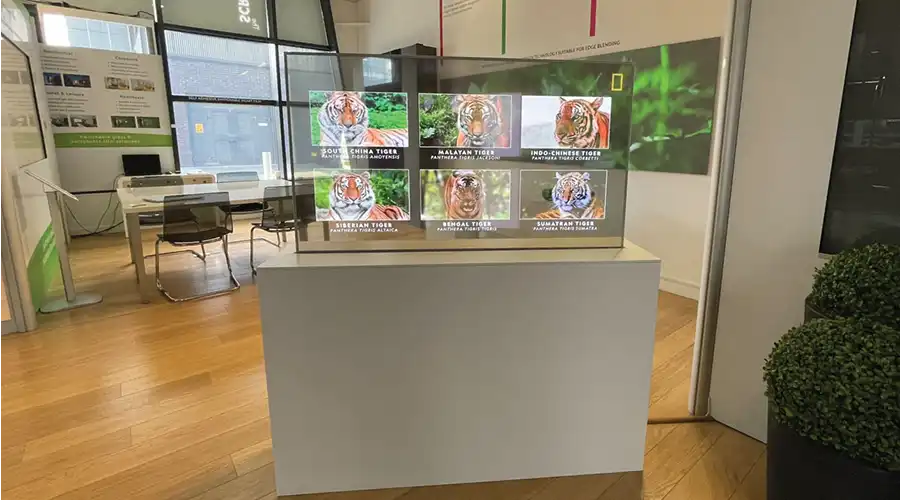
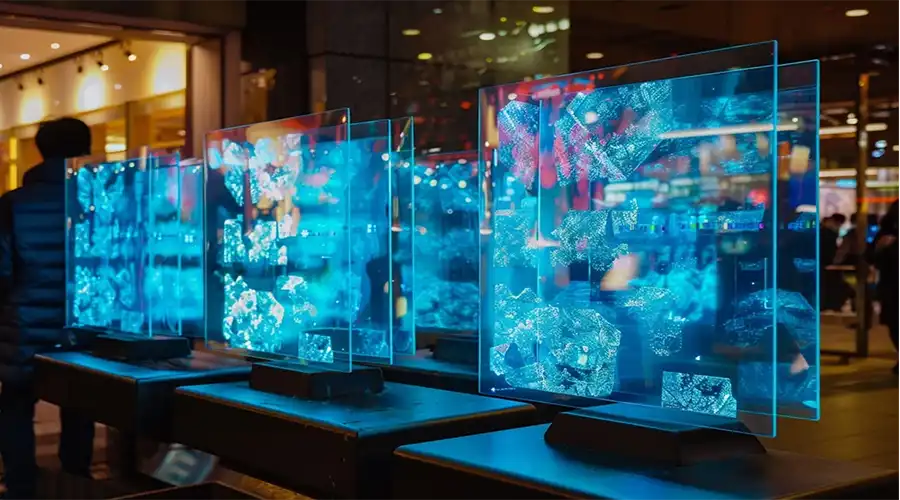
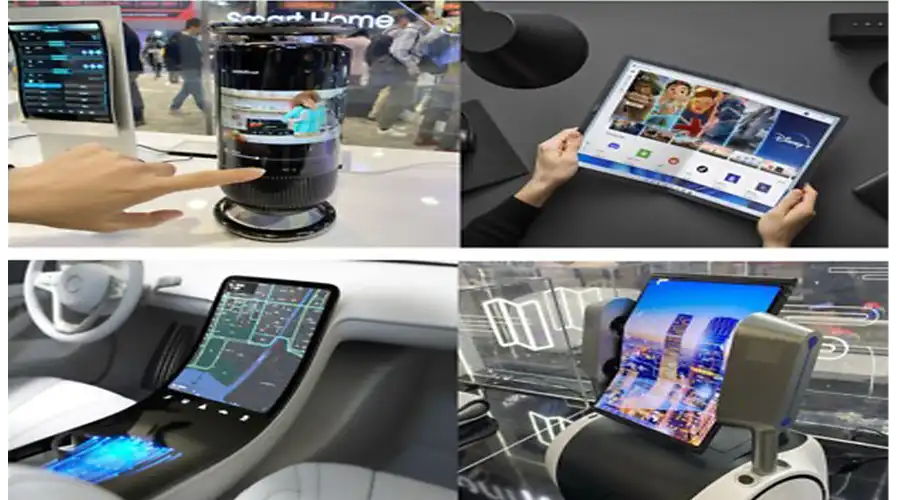
Perhaps the hallmark of OLED design freedom lies in its material versatility. Transparent and foldable OLEDs now populate architecture, automotive dashboards, and appliances. Such displays deliver illumination and information without disturbing spatial design flows. Modern transparent OLEDs achieve over 70% light transmission, allowing unobstructed visibility behind onscreen graphics.
In industrial and vehicular design, OLED’s bendability permits dashboards and control panels to wrap around surfaces smoothly. Future concept vehicles already incorporate flexible OLED skins capable of displaying exterior signals, branding, or warnings directly on body panels. This is technology becoming texture—functional and aesthetic at once.
5. The Visual Aesthetics of OLED
OLED’s impact on human emotion is profound. The infinite contrast ratio—true black against vibrant hues—mimics the way our eyes perceive natural light. Designers leverage pixel-level dimming to craft interfaces that breathe rather than blink. Notice how smartwatch notifications fade in softly, or AR arrows ghost into view as if whispering directions rather than commanding attention.
In Entertainment and Storytelling
The entertainment sector harnesses OLED for cinematic AR installations, where displays serve as dynamic surfaces of storytelling. The low-latency response and near-zero motion blur elevate immersive gaming and virtual production environments, blurring boundaries between physical and digital frame rates. Artists now paint light directly — pixels as brushstrokes of imagination.
6. Sustainability and Efficiency
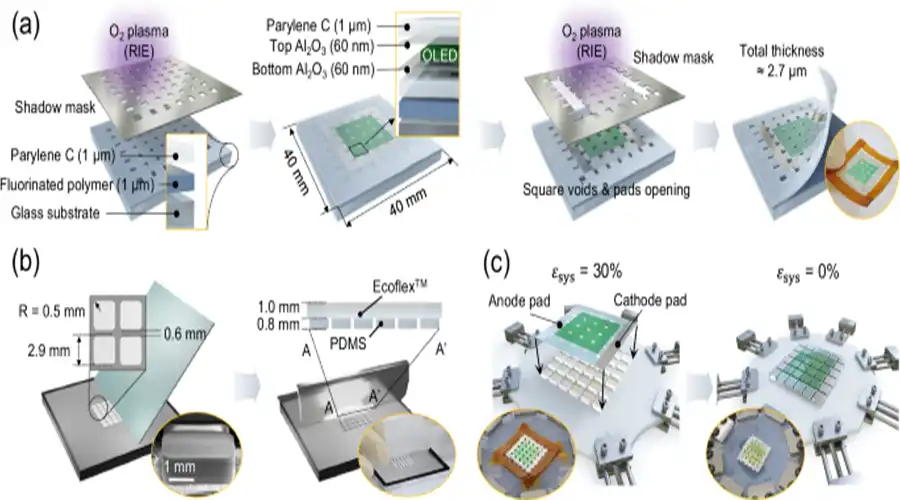
OLED’s environmental footprint continues to shrink as printable organic inks and recyclable substrates replace energy-intensive vacuum deposition. Without backlights and with reduced rare-metal dependency, OLED devices consume less power. Companies are exploring bio-based polymers for light-emitting layers and graphene for transparent electrodes, fostering a circular-material economy.
Meanwhile, energy management technologies—adaptive refresh, motion-triggered lighting, and deep sleep states—extend device lifecycles. Flexible OLED films also support modular repairability, reducing electronic waste. Sustainability is no longer a marketing term; it's embedded in OLED’s DNA.
7. The Future – Toward Ambient Intelligence
The “post-screen” era is dawning. OLED displays are merging into material environments, enabling ambient intelligence. Walls, mirrors, and objects now carry light-emissive logic. OLED’s adaptability transforms every surface into a contextual interface—subtle, human-centered, and reactive to presence.
Research accelerates on Quantum-dot OLED (QOLED)etphotonic micro-OLEDsqui adaptent la luminosité et le spectre à chaque œil. Imaginez des lunettes qui s'ajustent automatiquement à la température de couleur ambiante, ou des couches de réalité augmentée qui modifient dynamiquement la profondeur de champ. À mesure que les frontières visuelles s'estompent, l'OLED devient non seulement un écran, mais le support même de la perception.
« Le destin de l'OLED est l'invisibilité — lorsque l'affichage et la réalité deviennent indiscernables. » – Hiroshi Tanaka, NEXVision Labs
FAQ
Quelles sont les causes du burn-in OLED et comment peut-il être évité ?
La brûlure d'écran se produit lorsque les matériaux organiques se dégradent de manière inégale en raison de l'affichage prolongé d'images statiques. Pour la prévenir, utilisez la gradation automatique, la mise en veille prolongée de l'écran, le décalage des pixels, la gradation du logo et évitez une luminosité élevée pour les contenus statiques.
Les écrans OLED sont-ils adaptés aux environnements extérieurs ou à haute luminosité ?
Les écrans OLED classiques peinent à être lisibles en plein soleil. Cependant, les modèles 2025 offrent une luminosité accrue et des revêtements antireflets. Les écrans OLED haute luminosité spécialisés se rapprochent des Mini-LED pour une visibilité optimale en plein jour.
Quelle est la durée de vie moyenne des écrans OLED ?
La durée de vie des écrans OLED modernes varie de 50 000 à 100 000 heures avant que leur luminosité n'atteigne la moitié de sa valeur initiale (L50). De nouveaux matériaux émetteurs de lumière bleue permettent d'allonger encore cette durée de vie, la rendant comparable à celle des écrans LCD.
Les écrans OLED peuvent-ils être utilisés pour des affichages toujours allumés ?
Oui, l'OLED est idéal pour l'affichage permanent (AOD) car seuls les pixels allumés consomment de l'énergie. L'utilisation d'une faible luminosité et le changement périodique du contenu minimisent le vieillissement différentiel.
Quelle est la différence entre AMOLED et PMOLED ?
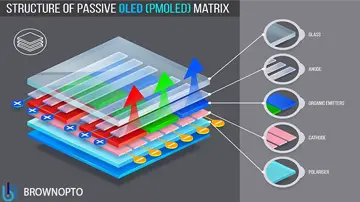
L'AMOLED utilise une matrice TFT active pour une haute résolution et un taux de rafraîchissement rapide, idéal pour les smartphones et les objets connectés. Le PMOLED gère les lignes et les colonnes de pixels de manière passive, ce qui le rend plus adapté aux petits écrans ou aux écrans statiques, et moins coûteux.
Les écrans OLED prennent-ils en charge la fonctionnalité tactile ?
Derniers articles
-
Les écrans TFT peuvent-ils fonctionner à des températures extrêmes ?
Oui, les écrans TFT peuvent fonctionner dans une large plage de températures, généralement de -20 °C à 70 °C.
-
Les écrans TFT sont-ils résistants à la poussière et à l’eau ?
Les écrans TFT ne sont pas intrinsèquement résistants à la poussière et à l'eau. Cependant, ils peuvent être protégés par un boîtier étanche.
-
Quel est le rapport de contraste typique d’un écran TFT ?
Le taux de contraste typique d'un écran TFT se situe entre 500:1 et 1000:1, offrant une bonne visibilité.
-
Quel est l’angle de vision typique d’un écran TFT ?
L'angle de vision typique d'un écran TFT est d'environ 160° horizontalement et 160° verticalement, offrant
-
Quel est le taux de rafraîchissement d’un écran TFT et pourquoi est-il important ?
La fréquence de rafraîchissement d'un écran TFT est généralement de 60 Hz. Une fréquence de rafraîchissement plus élevée peut réduire le flou de mouvement.
Produits recommandés
-
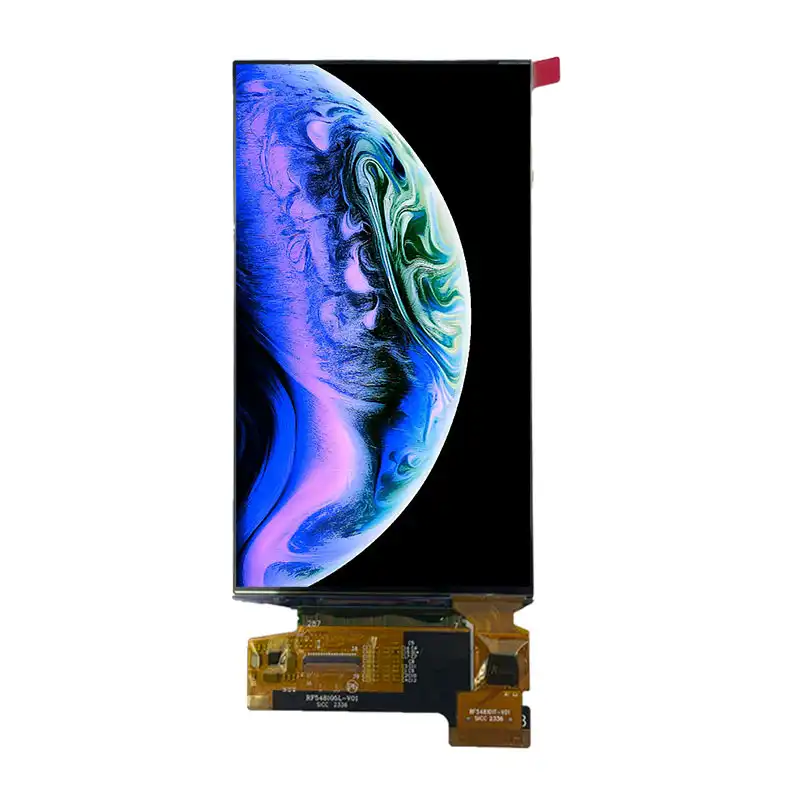 Module d'affichage AMOLED 5,5 pouces – Panneau MIPI LTPS haute résolution
Page produit du module AMOLED 5,5" Le module d'affichage AMOLED 5,5 pouces
-
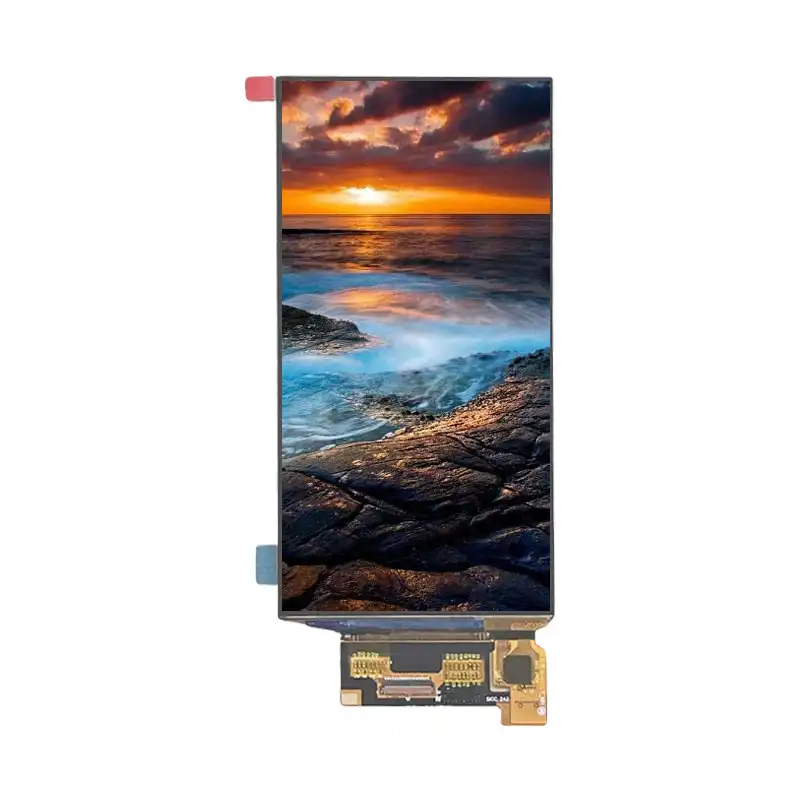 Écran AMOLED 6,0 pouces 1080×2160 MIPI - BR600108-A1
Module AMOLED FHD+ de 6,0 pouces avec résolution 1080×2160, interface MIPI 4 voies, luminosité de 360 nits. Idéal
-
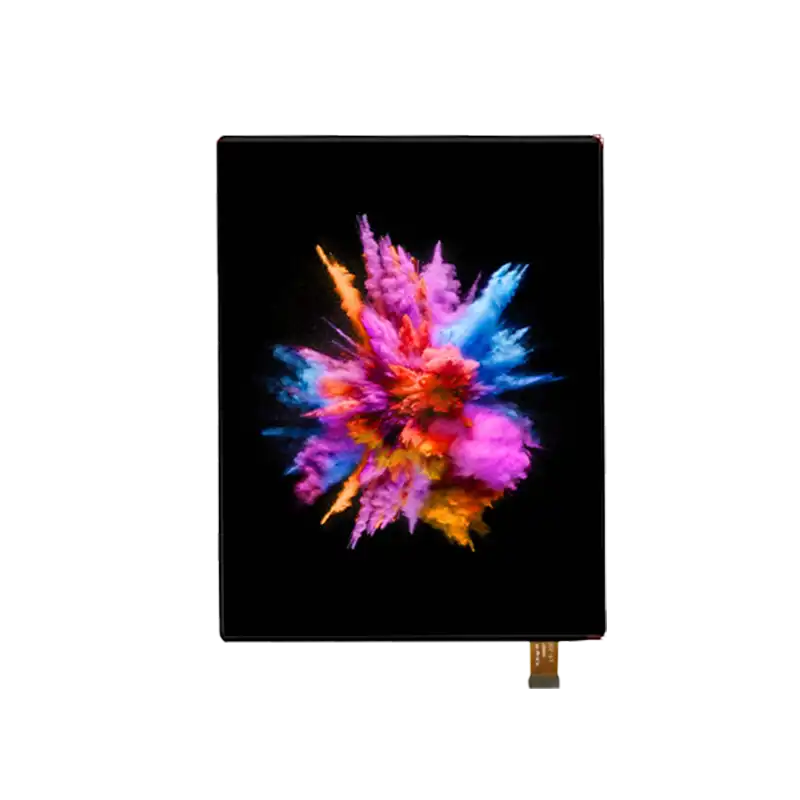 Écran AMOLED de 8,0 pouces 2480 × 1860 MIPI DSI-BROWNOPTO
Module AMOLED FHD 8" avec résolution 2480 x 1860, interface MIPI DSI et écran tactile SPI. Idéal pour l'industrie
-
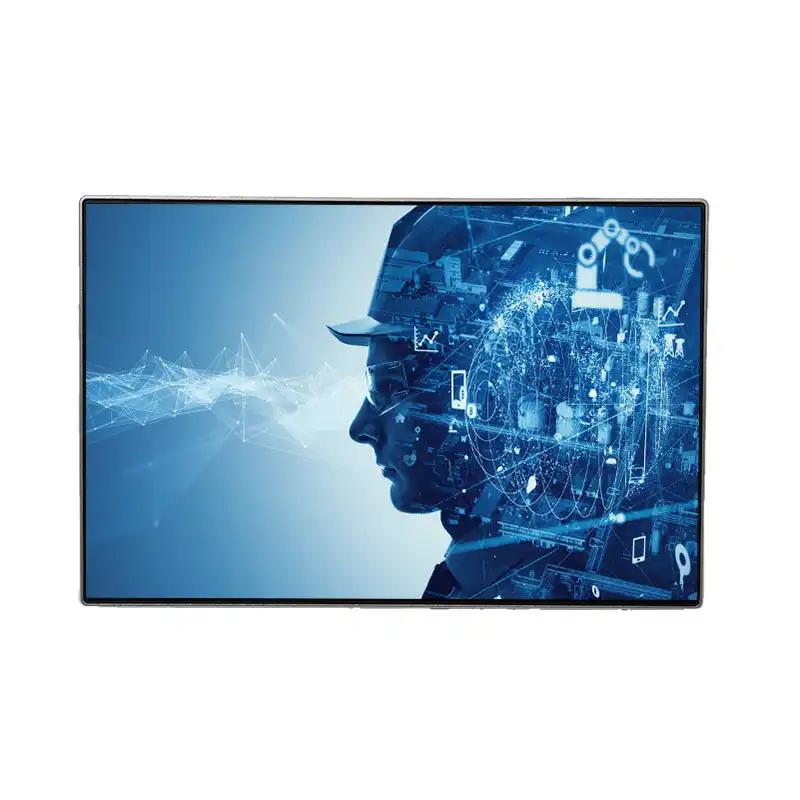 Module d'affichage AMOLED 7 pouces | Haute luminosité 1280 × 800
Le module d'affichage AMOLED de 7,0 pouces est une solution d'affichage haute résolution et à large champ de vision conçue pour
-
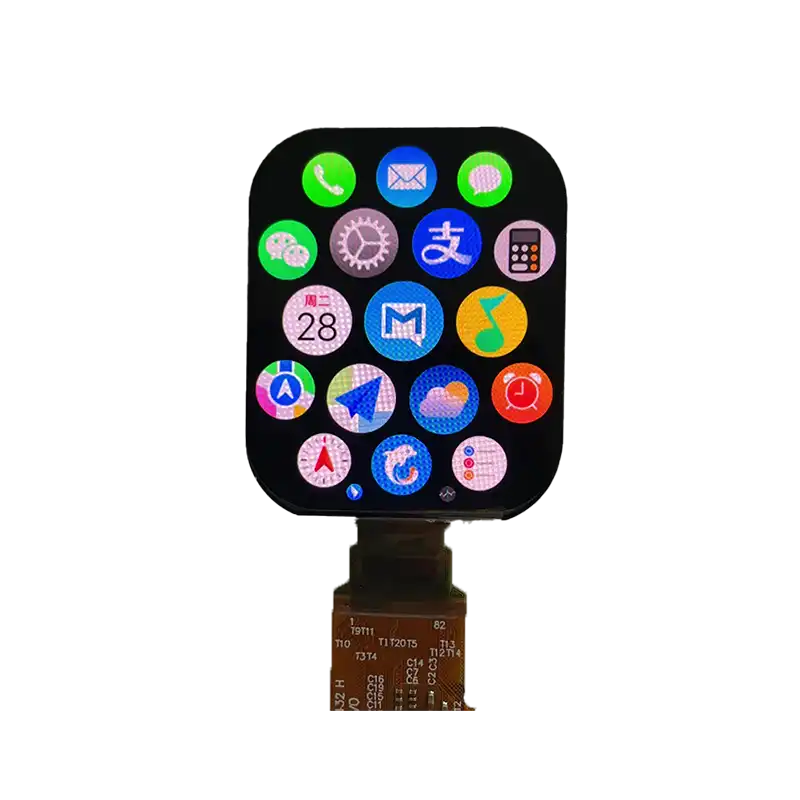 Écran OLED 2,06 pouces | Résolution 410 × 502 | 600 nits | Écran SPI
Le module d'affichage AMOLED de 2,06 pouces est conçu spécifiquement pour les environnements industriels difficiles,
-
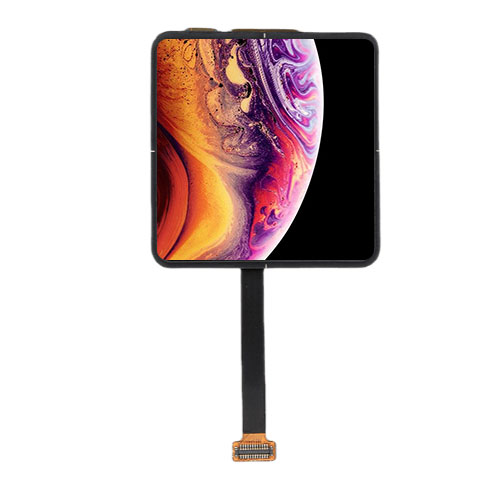 Module OLED AMOLED HD carré de 2 pouces, interface QSPI 460 x 460
Module d'affichage AMOLED 2" avec interface QSPI pour systèmes industriels et embarqués. Spécifications de base