en
en bel
bel de
de fil
fil fin
fin fra
fra hi
hi id
id it
it jp
jp kor
kor nl
nl pl
pl pt
pt swe
swe tr
tr
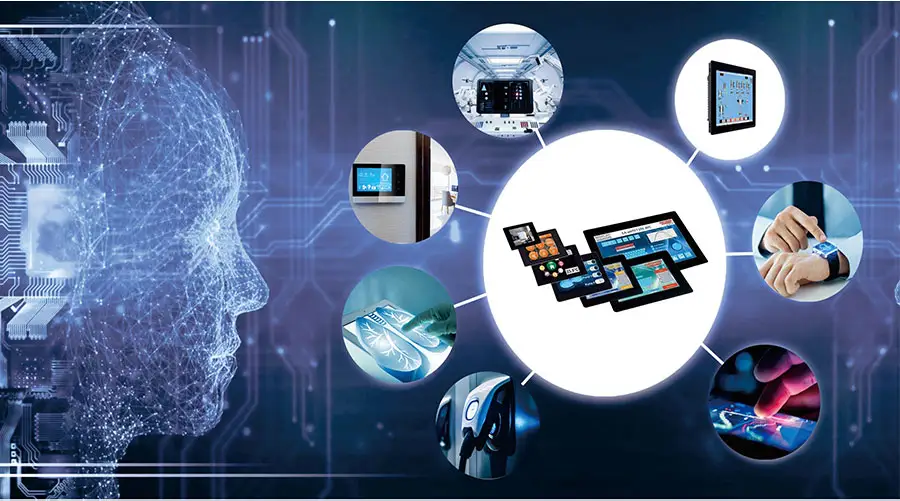
Explore the intricate workings of leading display technologies, their benefits, and potential applications.
Introduction to Display Technologies
In the rapidly evolving world of electronic displays, Liquid Crystal Displays (LCD), Organic Light Emitting Diodes (OLED), and MicroLEDs represent significant milestones in technological advancement. Each technology offers unique features and capabilities that cater to various applications from smartphones and televisions to medical devices and industrial control panels. Understanding these technologies helps consumers and professionals make informed decisions about which type of display best suits their needs.
An In-depth Look at LCD Technology
Liquid Crystal Displays have been a cornerstone of visual technology for decades, providing reliable performance across a wide range of products. The basic structure of an LCD includes layers such as the backlight unit, polarizers, liquid crystal layer, and color filters. These components work together to manipulate light and create images on the screen.

The Core Components of LCD Screens
The core components of an LCD screen include the backlight unit, which provides the necessary illumination, polarizing films that control light passage, and the liquid crystal layer that modulates the light based on electrical signals. Additionally, color filters are used to produce the red, green, and blue colors needed for full-color displays.
LCDs are widely used due to their cost-effectiveness and reliability. However, they have limitations in terms of contrast ratios and viewing angles compared to newer technologies like OLED and MicroLED.
OLED-schermen begrijpen
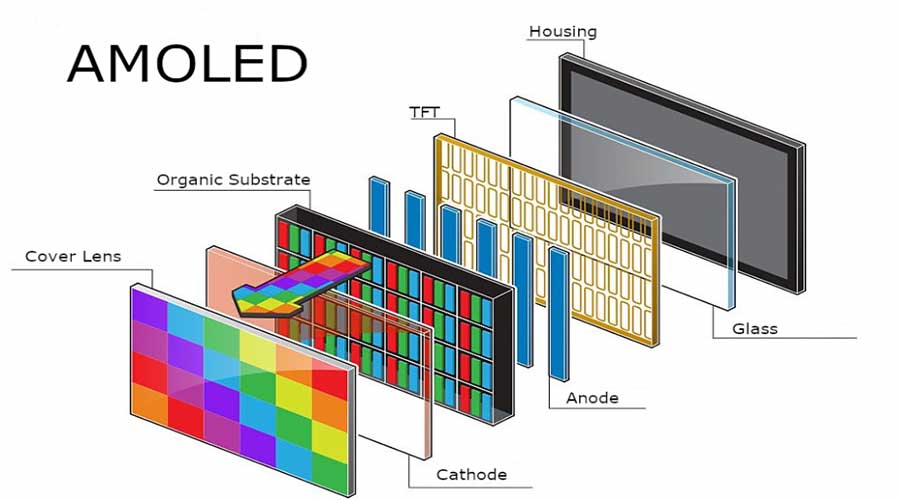
OLED technology has revolutionized display capabilities by offering superior contrast ratios and vibrant colors. Unlike LCDs, OLED displays do not require a backlight because each pixel emits its own light. This self-emissive nature allows OLED screens to achieve true blacks and infinite contrast ratios, making them ideal for high-end applications where picture quality is paramount.
Advantages of OLED Over Traditional LCDs
One of the most notable advantages of OLED is its ability to achieve true blacks and infinite contrast ratios. Since OLED pixels emit their own light, they can be turned off completely, resulting in deep blacks and enhanced picture quality. OLED also offers faster response times and wider viewing angles compared to LCDs, making it suitable for dynamic content like movies and games.
Burn-In Issues in OLED Displays
A common issue with OLED displays is burn-in, where static images left on the screen for extended periods may leave permanent marks. This occurs due to differential lifespans among red, green, and blue subpixels. Software solutions can mitigate this problem by adjusting current levels across different areas of the screen.
The Future with MicroLED Technology
MicroLED is poised to be the next big leap in display technology, offering unparalleled brightness and energy efficiency. By using microscopic LEDs that can emit light independently, MicroLED displays provide superior performance compared to both LCD and OLED technologies. MicroLED uses inorganic materials, making it more durable and less prone to degradation over time.

Key Features of MicroLED Displays
MicroLED displays are characterized by their use of microscopic LEDs that can emit light independently. These LEDs are made from inorganic materials, making them more durable and less prone to degradation over time. MicroLED technology also offers higher brightness levels and lower power consumption compared to OLED, making it ideal for outdoor and high-brightness environments.
Challenges in MicroLED Production
Despite its promising features, MicroLED faces challenges related to manufacturing complexity and cost. The process of assembling millions of tiny LEDs onto a substrate requires precise alignment and bonding techniques. As research and development continue, these challenges are expected to diminish, paving the way for widespread adoption of MicroLED technology.
Comparing LCD, OLED, and MicroLED
When comparing these three display technologies, it's clear that each has its strengths and weaknesses. LCDs offer reliability and cost-effectiveness but lag behind in terms of contrast and response time. OLEDs provide superior picture quality and flexibility but suffer from issues like burn-in. MicroLED combines the best aspects of both technologies, offering high brightness, low power consumption, and durability, though it currently faces production challenges.
Market Trends and Future Prospects
As we look towards the future, MicroLED is expected to play a significant role in shaping the next generation of displays. With ongoing research and development efforts, the cost and production challenges associated with MicroLED are likely to diminish, paving the way for widespread adoption. Meanwhile, OLED continues to dominate the mobile and television markets due to its superior picture quality, while LCD remains a reliable choice for budget-conscious consumers.
For tech enthusiasts and professionals, staying informed about the latest advancements in display technology is crucial. Whether you're designing a new product or simply upgrading your personal device, understanding the nuances of LCD, OLED, and MicroLED will help you make the best decision.

Laatste artikelen
-
Kunnen TFT-schermen bij extreme temperaturen werken?
Ja, TFT-schermen kunnen functioneren bij een breed temperatuurbereik, doorgaans van -20°C tot 70°C, met dus
-
Zijn TFT-schermen bestand tegen stof en water?
TFT-schermen zijn van nature niet bestand tegen stof en water. Ze kunnen echter wel worden ingekapseld
-
Wat is de typische contrastverhouding voor een TFT-scherm?
De typische contrastverhouding voor een TFT-scherm varieert van 500:1 tot 1000:1, wat zorgt voor een goede zichtbaarheid.
-
Wat is de typische kijkhoek voor een TFT-scherm?
De typische kijkhoek voor een TFT-scherm is ongeveer 160° horizontaal en 160° verticaal, wat betekent dat
-
Wat is de vernieuwingsfrequentie van een TFT-scherm en waarom is dit belangrijk?
De verversingsfrequentie van een TFT-scherm is doorgaans 60 Hz. Een hogere verversingsfrequentie kan bewegingsonscherpte verminderen.
Aanbevolen producten
-
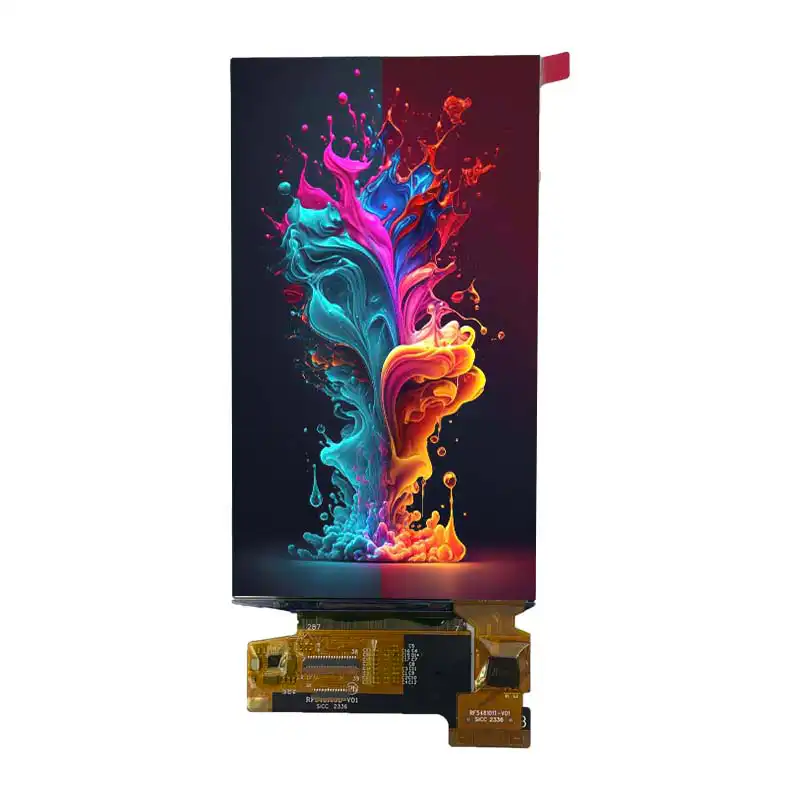 5.48 INCH AMOLED Display Module - 1080x1920 I2C, MIPI DSI, Industrial
Productspecificaties: BRO548001A Resolutie: 1080x1920 Bedrijfsspanningsbereik: 2,8V Schermgrootte: 5,4
-
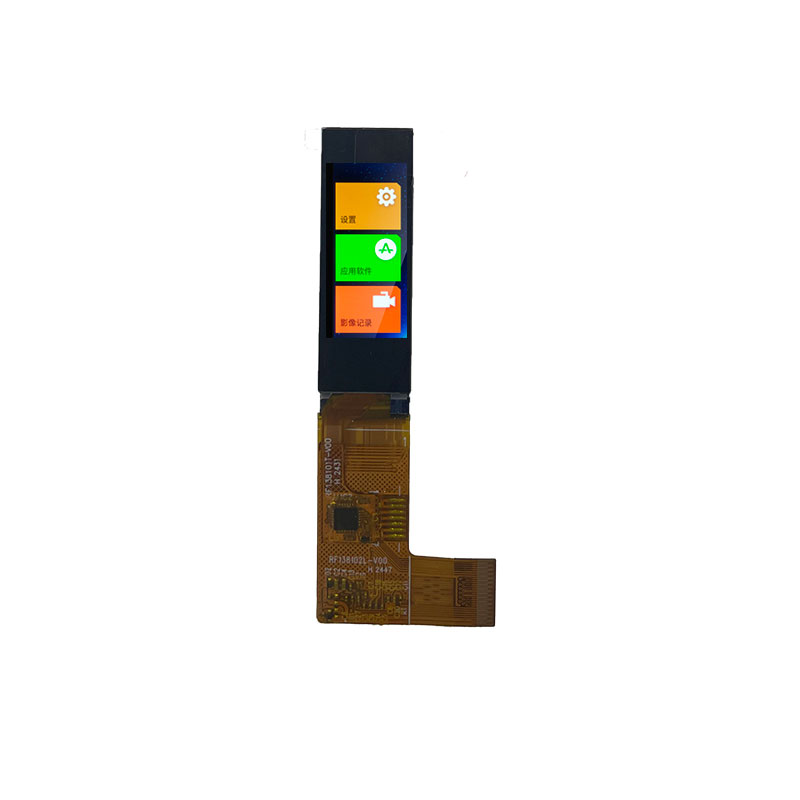 1.38 INCH AMOLED Type 128x400 Low Power Wearable Display
Shenzhen Brownopto 1,38-inch AMOLED-module: resolutie 128×400, helderheid 600 nit, MIPI/QSPI/SPI in
-
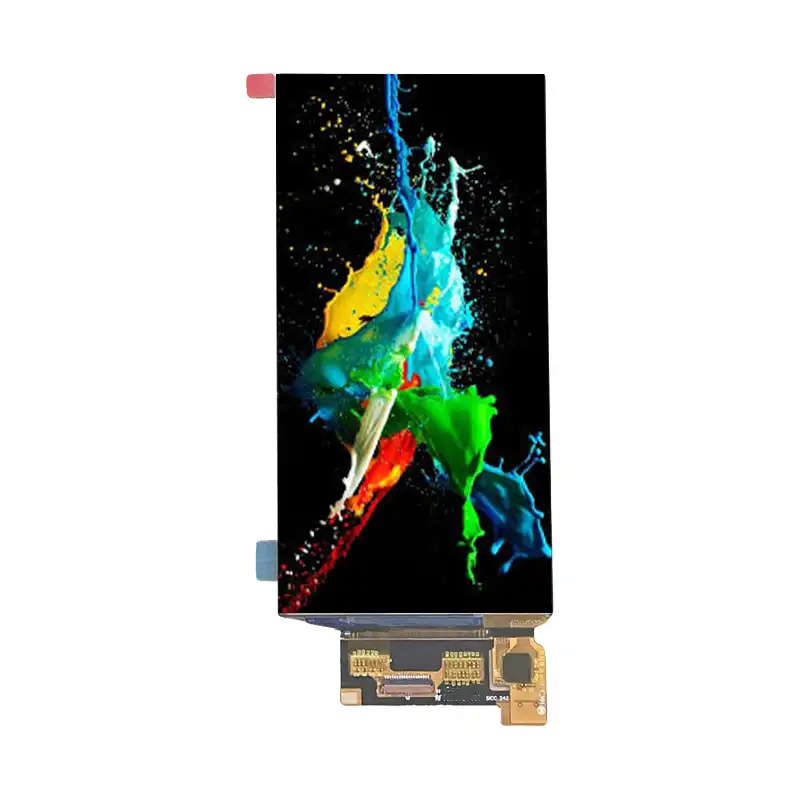 6.01 INCH Display OLED screen | High Definition 1080x2160 | MIPI Interface
Productspecificaties: BRO601001ADisplayMode: AMOLED Schermgrootte (inch): 6,01 Resolutie: 1080x2
-
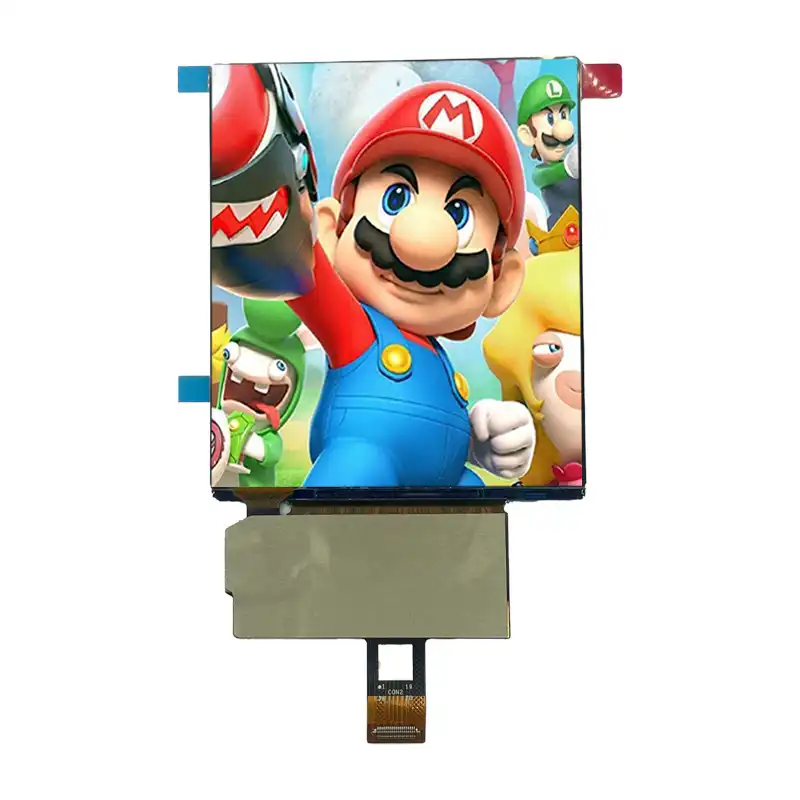 3.92 INCH OLED Screen I2C Interface 1080 × 1240 Resolution
Productspecificaties: BRO392001A Resolutie: 1080x1024 Bedrijfsspanningsbereik: 28V Schermgrootte: 3,92